
Operational review

Nigeria
Salient features
- Significant volume growth
- Key operating objectives achieved
- Decisive action taken to halt further financial support
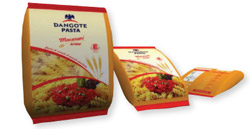
Tiger Branded Consumer Goods plc (TBCG) (formerly Dangote Flour Mills) (65,7% held)
Initiatives on quality, distribution and innovation are reflected in overall volume growth of 20%, with flour volumes up by 19% and pasta by 59%. Volume growth, however, did not produce any appreciable improvement in the level of operating losses as competition intensified in a deteriorating macro-economic environment. Results were impacted in the third quarter, in particular after a delay in passing on higher raw material costs caused by the naira’s depreciation in February 2015. In addition, operations were disrupted by fuel shortages and labour unrest in the country’s trucking and ports services.
Good progress has been made with innovation, successfully introducing smaller pack sizes for semolina and wholemeal under the Tastic brand while new pasta products were launched after the year end.
| Rm | 2015 | 2014 | % change |
|---|---|---|---|
| Turnover | 3 309,6 | 3 120,1 | 6 |
| Operating income* | (438,9) | (281,9) | (56) |
| Operating margin (%) | (13,3) | (9,0) |
*Before abnormal items
As set out more fully in the chief financial officer’s report, subsequent to the year end, Tiger Brands reached agreement to sell its interest in TBCG to Dangote Industries Limited subject to regulatory approvals.
Deli Foods (wholly owned)
The performance of Deli Foods was affected by currency devaluation and the loss of a key production line in the first half. The new replacement line was commissioned in November 2015.
Outlook
Economic conditions and intense competition, exacerbated by fuel shortages, will continue to make trading in Nigeria challenging in the short term. However, Nigeria remains an important growth market and Tiger Brands is committed to maintaining its presence through its two remaining operations.