Our external environment
This has been another dynamic year for consumer packaged goods (CPG) companies in
South Africa, during which we have felt the impact of a very constrained consumer
environment, an increasingly competitive food and retail environment, and changing consumer
and regulatory expectations regarding nutrition, health and environmental responsibility.
This challenging external context presents both risks and commercial opportunities,
and has informed the development of our growth strategy.
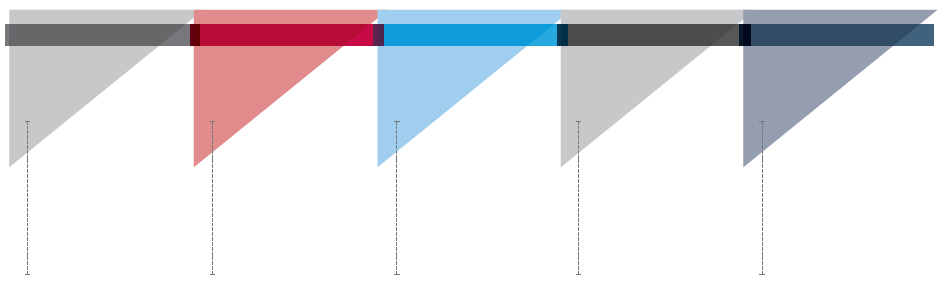
PROCUREMENT
MANUFACTURING
LOGISTICS
CUSTOMERS
CONSUMERS
- Unreliable and
expensive
electricity
- Labour costs
- Employee
relations
- Water scarcity
- Increasing
storage costs
- Higher fuel
prices
- Squeezed
customers
pushing for
discounts
and trade terms
- Constrained
consumer
shopping on
promotion
| SUSTAINED MACRO-ECONOMIC PRESSURE ON CONSUMER SPENDING |

- Consumer spending in South Africa continues to be constrained by lacklustre GDP
and wage growth, high unemployment and high consumer debt, compounded by
increasing fuel, transport and utility costs, and continuing rand/dollar volatility.
An estimated 62% of South Africans live on less than R60/day, with many families
trapped in poverty due to the 29% unemployment rate.
- In August 2019, South Africa’s consumer inflation rate reached 4,3%, driven by price
increases in food and non-alcoholic beverages, fuel and electricity, and miscellaneous
goods and services. Food inflation reached its highest levels in 18 months, off the back
of increases in bread and cereal, maize meal prices and oil-based food items.
- Consumers are buying less, spending less and shopping smarter: 65% of shoppers
are actively comparing prices across brands, 57% are choosing retailers with better
prices, and 70% trading up to bigger packs on promotion if value is offered.1 Despite
this tough environment, for the most part we have continued to benefit from our
premium and heritage brands and the nature of our food basket, with our share of
the market at 25,3%.2
- The economic outlook in South Africa remains subdued for the foreseeable future,
weighed down by continuing policy and political uncertainty, high unemployment and
debt levels, and ongoing challenges with the bailout of state-owned enterprises.
|
| Our response |
|
Strategy |
- Given the constrained consumer environment, and in an effort to expand and protect margins in the subdued
market, we have placed a heightened focus on driving productivity and securing cost efficiencies across the
value chain.
- We continually review consumer trends to guide the optimisation of our product portfolio and to identify
opportunities for product and process innovation. We have an exciting product pipeline across a range
of categories that specifically includes innovations for value-seeking consumers.
- Our recently approved sustainability strategy includes a strategic focus on improving the livelihoods of thousands
of people by providing opportunities across our value chain for inclusive economic participation, including
through a deliberate focus on supporting black/black-women farmers and owned enterprises in our value chain.
|
|
 |
| 1 |
Nielsen Basket and Shoppergraphics F’19 Q1; In perspective for Tiger Brands March 2019. |
| 2 |
Nielsen 12mm volume share as at 30 September 2019. |
| HEIGHTENED COMPETITION AND CHANGING RETAIL AND CONSUMER DYNAMICS |
- There have been new entrants in the food producer sector in South Africa, some of whom are building potential contender brands.
This is contributing to excess capacity in a low volume growth environment, resulting in aggressive pricing strategies.
- Competition in food retail has also intensified, with the growth of e-commerce business and general traders, driving the
rationalisation of SKUs*, the uptake of private labels and prompting more aggressive procurement, all of which is placing further
pressure on food producers.
- Consumer behaviour generally is changing, driven by various trends including rapid urbanisation,
an increasing number of single households, crowded transport, and greater digital connectivity.
These trends have contributed to an uptake in convenient on-the-go meals and snacks,
increased demand for purpose-led brands and greater corporate transparency, and a growing
consumer focus on health and wellness.
- Cumulatively, the heightened competition and changing dynamics in the consumer and retail
space, are challenging some of the traditional approaches that have driven top-line growth in
CPG companies, driving innovation in products, sales and distribution.
|
| Our response |
|
Strategy |
- Our strategic commitment to drive growth has been developed to mitigate the risks and realise the opportunities
associated with the changing retail and consumer dynamics. We have identified opportunities to optimise our
product portfolio, respond to the growth in private label brands, and win at the point of purchase.
- We made further progress this year in new product launches to address consumer expectations for quality,
convenience, healthier foods and affordable pack sizes. Despite the heightened competition we retained the
lead in packaged food in 2019, with a 25,3% volume share.
- We have been implementing channel-specific category management methodologies and will be continuing
to embed appropriate digital technologies that enhance the monitoring of the return on investment of our
promotional activity, while meeting customers’ needs, and we have been using new pricing expertise to help
drive brand growth and customer support.
- Through the diversity of our portfolio we are able to address the full range of consumers’ shopping needs,
particularly those in the middle-income bracket (living standards measure 5 to 8).
|
|
|
| GROWING CONSUMER AND POLICY FOCUS ON NUTRITION, HEALTH AND
ENVIRONMENTAL STEWARDSHIP |

- South Africa has been assessed as one of the least healthy countries globally, with high levels of obesity and
lifestyle-induced non-communicable disease. This has contributed to greater regulatory intervention in the
food sector, with the introduction of a sugar tax and sodium regulations, as well as a rapidly growing
appreciation among consumers of the benefits of healthier and more nutritious food products.
- There has similarly been an increased consumer and regulatory focus on environmental issues, with
heightened activism in particular on issues such as climate change, plastics pollution, and increasing
consumer demand for food products that are seen to be “green” and organic.
- Globally, there has been a significant uptake recently in plant-based protein, characterised by the marked
success of recently listed companies in this area, and the growing adoption of alternative meat products
in leading global quick service restaurants.
|
| Our response |
|
Strategy |
- We believe that there is a sizeable commercial opportunity in the health and nutrition sector, and have been
driving innovation in nutrition, for example through our vitamin-enriched Best of Both Genius bread that adds
nutrients for school children, adding fibre to Ace maize meal porridge that assists with a healthy gut, and
launching new flavours in our Crunchalots breakfast that are low in sugar compared to competitors.
- In terms of our recently approved Sustainable Future strategy we have committed to enabling consumers to
improve their health and well-being by developing best-in-class nutritional standards, providing more nutritious,
affordable food products, and leveraging our brand and marketing activities to promote consumer nutrition and
health.
- This year, we have invested in driving the quality agenda across the company. We completed quarterly self-assessments
and gap closeouts across our operations, achieved external certification (FSSC 22000) for all our
manufacturing sites, implemented supplier quality assurance processes for all new raw material and packaging
suppliers, and made new appointments to enhance our quality team (sustainable development report).
- We have also committed to significantly reduce our environmental impact through innovative solutions, including
optimising energy and water usage, developing innovative products and packaging, leveraging our brand and
marketing, and implementing circular economy initiatives that stimulate economic opportunities (sustainable
development report).
|
|
|
* Stock keeping units
